January 24, 2026
By Brian Mercer | January 24, 2026
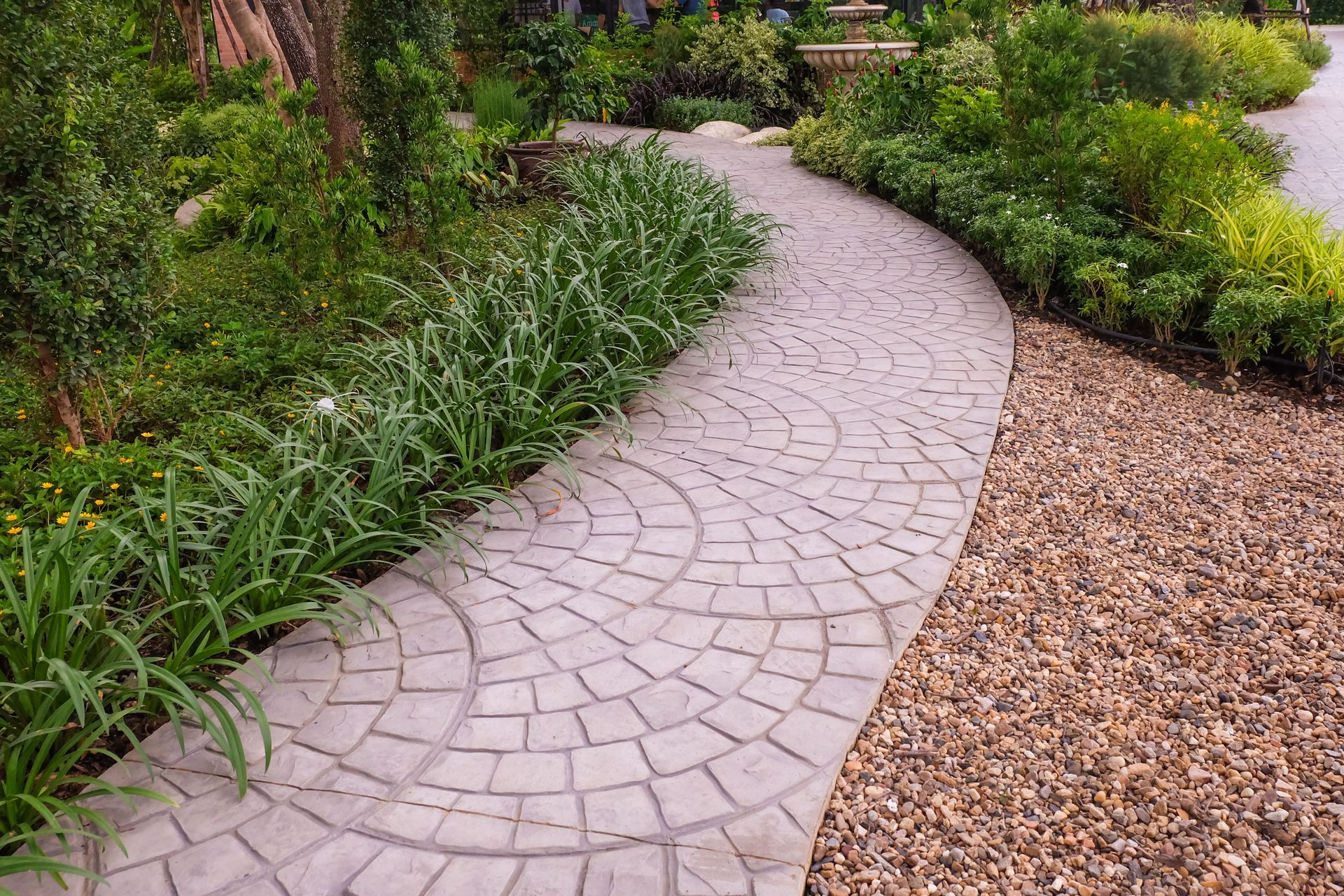
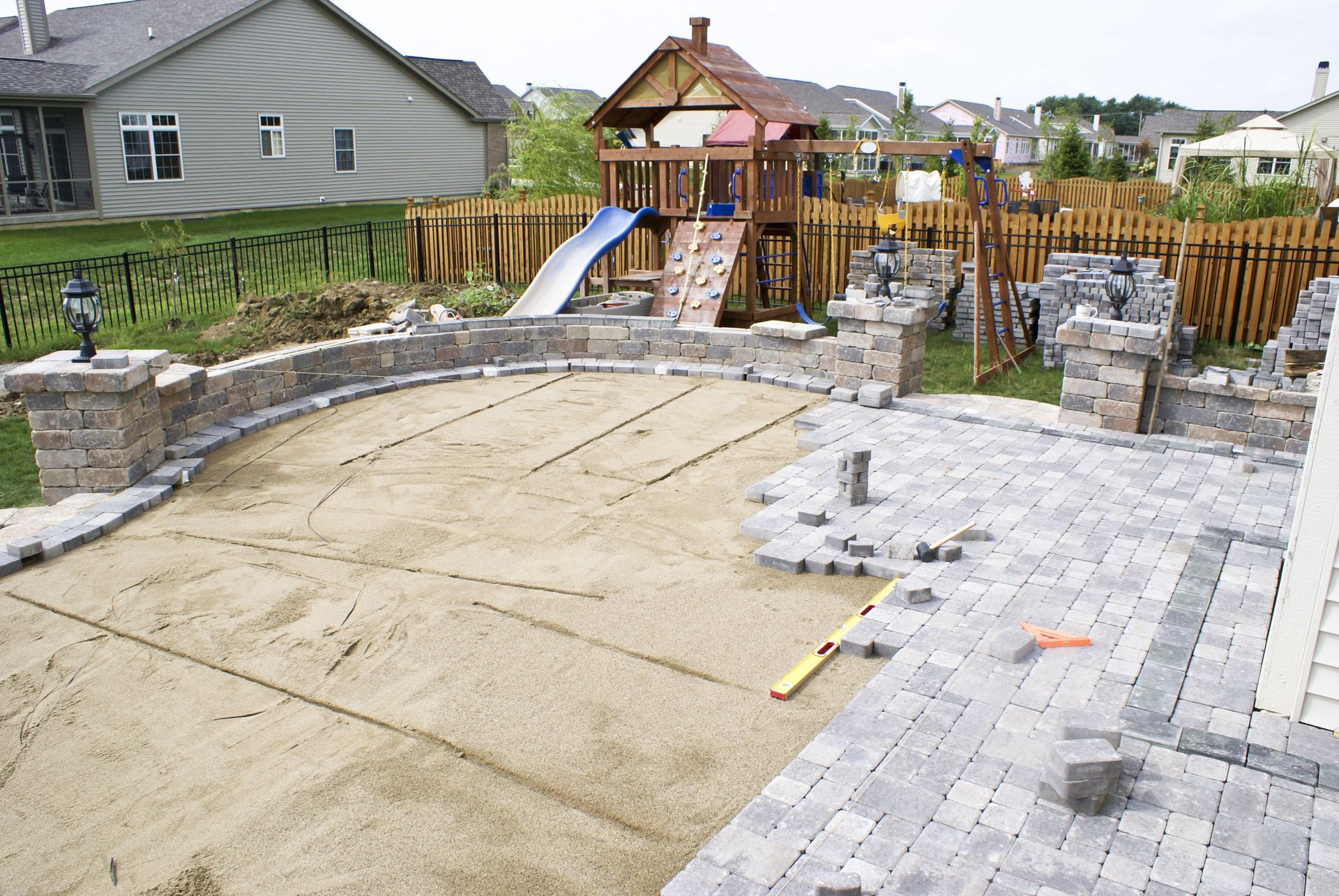
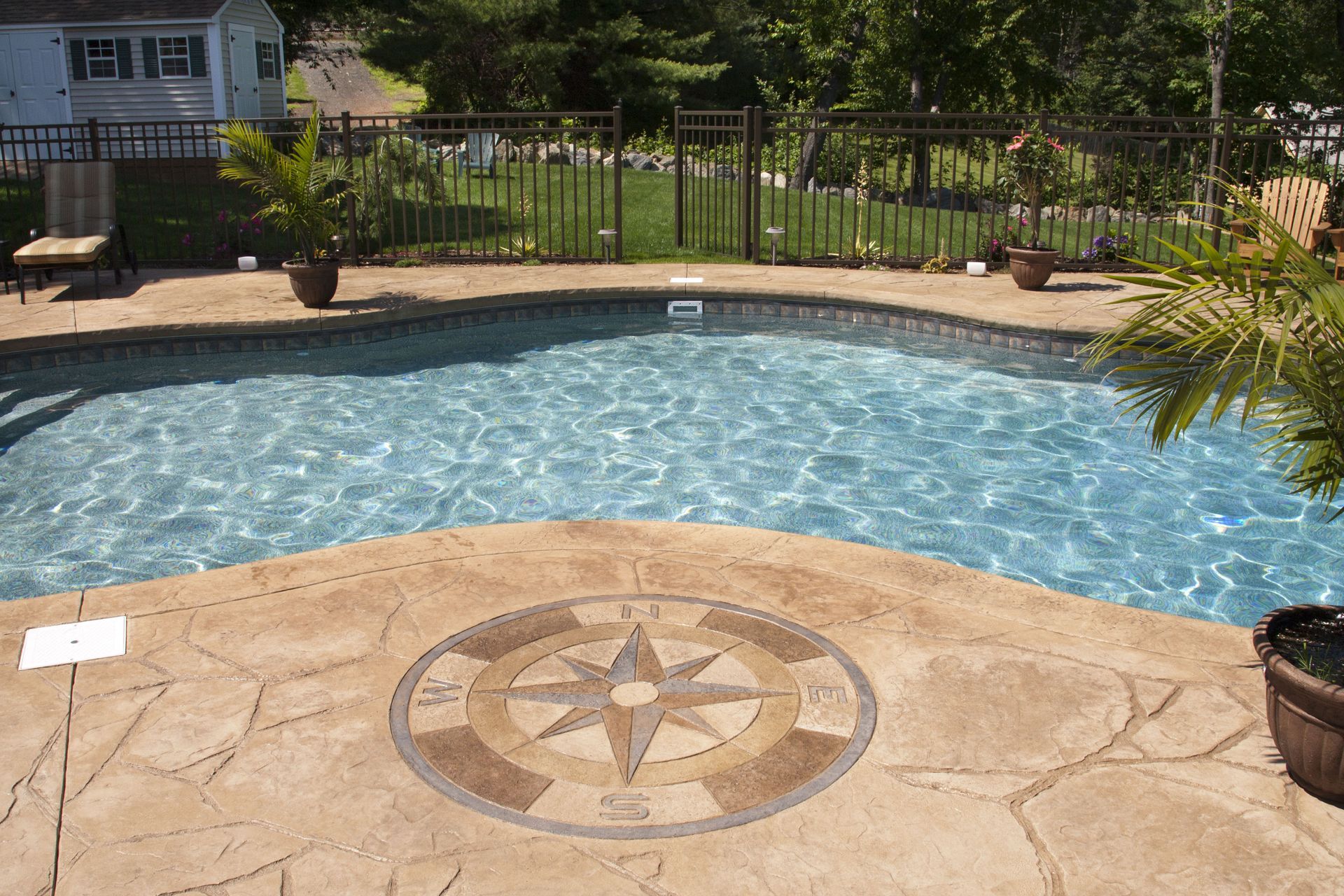
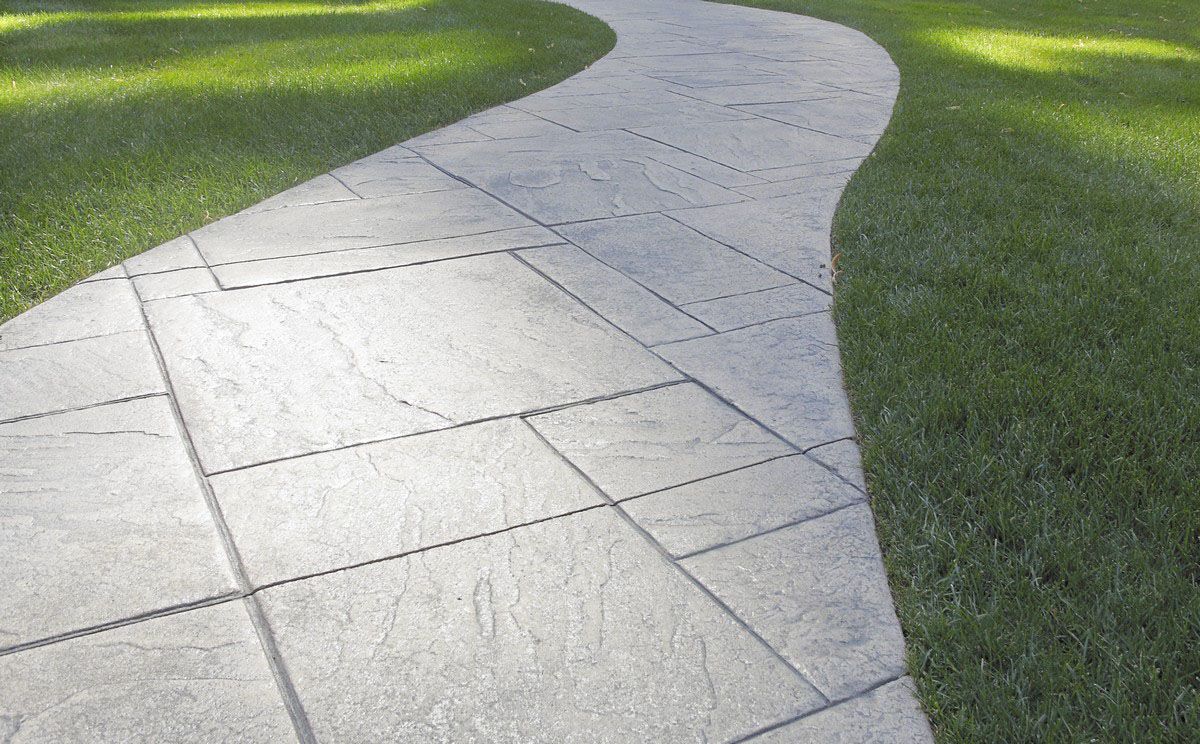
Curb appeal significantly influences a property's first impression and overall value. Decorative concrete services have emerged as a pivotal solution for enhancing the exterior aesthetics of properties, both residential and commercial. By marrying functionality with design, these services transform otherwise plain concrete surfaces into striking, durable artistic expressions that enhance overall curb appeal.
Decorative concrete not only enhances visual appeal but is also a strong, long-lasting solution. Integrally, decorative concrete increases a property's overall allure and potential market value, rendering it a wise investment for homeowners and business proprietors alike. Keep reading to dive deep into understanding decorative concrete, receive guidance on planning a project, and pick up valuable insights on maintaining your decorative concrete's aesthetics over time.
Understanding the Benefits of Using Decorative Concrete
One of the primary benefits of decorative concrete is its durability combined with its aesthetic versatility. It offers the same longevity and resilience as traditional concrete but is far superior when it comes to appearance, with myriad customization options. Situations such as harsh weather conditions or heavy foot and vehicle traffic that usually prompt rapid wear in simpler materials are managed well with decorative concrete.
The maintenance demands of decorative concrete are also generally lower compared to alternative solutions, reducing the long-term cost implications for property owners. Whether it's re-sealing or occasional professional cleaning, the requirements are significantly less intensive than those for other decorative materials such as wood or natural stone. These benefits contribute to cost-effectiveness over time, making it a sensible financial commitment.
According to Market.us News, residential applications accounted for over 50% of the decorative concrete market in 2024, highlighting its strong position in home enhancements. This figure underscores the growing awareness among homeowners about the value of decorative concrete, both as an aesthetic and functional investment. The trend is a testament to decorative concrete's broad applicability and the value it adds to residences globally.
Comparing Decorative Concrete to Traditional Concrete
Traditional concrete is valued for its robustness and durability, typically used in structural elements where aesthetics are secondary. However, decorative concrete combines these foundational traits with an attention to design that can radically elevate a property's exterior and interior environments. The ability to replicate the appearance of more expensive materials without the associated upkeep is another distinct advantage.
While traditional concrete is often left in its natural grey state, decorative options undergo additional treatments to infuse character and charm into a space. This transforms simple surfaces into captivating focal points that enhance the visual appeal of the entire property. Moreover, decorative concrete does not compromise on longevity or load-bearing capacity, making it a dual-purpose solution.
In aesthetic-centric applications, decorative concrete possesses a competitive edge over its traditional counterpart. Its adaptability to various styles—from rustic textures to sleek modern finishes—offers enhanced options for both residential and commercial designs. This adaptability ensures that it can cater to contemporary trends and classic motifs alike.
Assessing Your Current Curb Appeal
When planning a project with decorative concrete services, it's fundamental to first assess the current state of your property's curb appeal. Observing elements such as your existing driveway, walkway, and outdoor living spaces can help identify areas in need of enhancement. Consider factors like age, wear, and the underlying aesthetics already in place.
Identifying specific features to upgrade can guide decorative concrete services in a focused direction, ensuring valuable use of resources. Sometimes, simply replacing outdated elements with modern finishes can vastly improve the overall appeal. Taking into account neighborhood and market trends can also provide insights into what's considered appealing in your area, setting a benchmark for enhancements.
Furthermore, assessing environmental factors such as exposure to sunlight, precipitation, and existing landscape features will influence the choice of decorative methods and finishes. Understanding the existing aesthetic and complementary options can ultimately create a cohesive look that enhances home value and enjoyment. By accurately assessing these variables, property owners can develop a clear strategic plan for renovation.
Setting a Budget for Concrete Enhancements
An essential step in any decorative concrete endeavor is establishing a practical budget that aligns with project scope and desired outcomes. Begin by researching costs associated with labor, materials, surface area, and other related expenses. Breaking down these components ensures a transparent view of anticipated investments needed to complete the work.
In addition to the primary expenses, it's wise to allocate additional resources for any unforeseen expenses or adjustments mid-project. Flexibility in the budget can account for upgrades, additional finishes, or even minor repairs, ensuring the project remains on track. Comparing typical costs in the market with quotes from service providers can help gauge fair pricing strategies.
Moreover, the budget should reflect a balance between short-term expenses and long-term benefits. Consider the lifecycle cost implications of decorative concrete, from initial investment to maintenance and possible repairs. By striking this balance, property owners ensure the project is financially viable while delivering the desired aesthetic effects.
Designing Your Decorative Concrete Layout
The layout design phase is crucial in realizing the full potential of decorative concrete. Successful planning requires a thoughtful consideration of spatial dynamics, ensuring that the design complements the architecture of the building and its surroundings. Start by sketching concept layouts and alternate plans to explore various design possibilities.
Consulting with professionals during the design phase can illuminate aspects an inexperienced eye may miss, such as proper grading, drainage, or logistical considerations. Their technical expertise often contributes effectively to realizing a coherent and functional concrete project. Engaging with a designer can also help in selecting patterns, finishes, and colors that correspond with your vision.
Designs can range from minimalistic elegance to bold expressions that accentuate key features of the house. By envisioning how the finished project will blend with existing features and exterior elements, you can develop a layout that maximizes both functionality and aesthetics. The importance of detailed planning cannot be overstated, as it sets the groundwork for installation excellence.
Selecting the Right Materials and Colors
The selection of appropriate materials and colors is essential in executing a project with decorative concrete services that align with your aesthetic aspirations. Different environments might call for varied material properties. For instance, regions with high freeze-thaw cycles require materials that can withstand temperature fluctuations without degrading.
Choosing the right color palette can dramatically influence the end result, with colors tailored to harmonize with the surrounding landscape, architecture, and local habitat. Consider both base colors and accent hues to achieve a balanced scheme that elevates the visual impact. Consulting with professionals can guarantee a successful pairing of materials and colors.
When selecting materials, evaluate performance attributes such as slip resistance, heat reflectivity, and maintenance needs. Material choice should account for aesthetic indulgence while ensuring practicalities like safety, durability, and wear resistance. Smart material selection is a critical driver of long-term satisfaction, enhancing both pleasure and value.
Working With a Professional Instead of DIY
One significant consideration is whether to hire professional decorative concrete services or undertake the project as a Do-It-Yourself (DIY) challenge. Professionals bring expert precision, extensive experience, and sophisticated equipment to the project, often guaranteeing exceptional results. Their expertise mitigates errors and enhances efficiency, leading to outcomes that might be difficult to achieve as an amateur.
DIY projects can offer cost savings and personal satisfaction, but do carry risks due to the technical demands of decorative concrete installations. Amateurs may struggle with fine details like intricate stamping, texture creation, or coloring, impacting the intended outcome. Mistakes in these aspects can lead to costly repairs or unsatisfactory aesthetics.
Ultimately, the choice consolidates budget considerations, personal skill level, and project complexity. When precision and quality take precedence, hiring a professional is typically the safest route, ensuring that the project's scope, design, and finish align evenly with the vision. A clear evaluation of capabilities will help determine the most appropriate choice.
Ultimately, decorative concrete services are more than just surface enhancements—they're an investment in the property's beauty, functionality, and market appeal. Whether used for residential or commercial applications, it provides a versatile, enduring solution that blends artistry with performance, creating spaces that leave a lasting impression. Reach out to Creative Designs In Concrete today to learn more about decorative concrete services.